Berry Sullivan — 2026

Still Warm

Cabinets of Latency and Media Afterlife

Ontology may be flat. Ethics is not.

This cabinet contains undoctored photographic documentation of deceased animals, including decomposition and rupture. The work is presented without sanitisation as part of its ethical commitment to honest encounter.

Enter the Cabinet
Project Statement

Still Warm is a digital cabinet of curiosities that brings biological remains and media artefacts into a shared archival space. Rather than assembling a physical collection, the cabinet is constructed through photographic documentation and digital mounting. All biological specimens were encountered in situ and recorded as images, not removed or physically preserved. This approach reflects both an ethical commitment to non-extractive artistic practice and the legal realities governing native Australian fauna, which cannot be collected or retained in any material form, even when found already dead.

The cabinet draws on the historical tradition of the Wunderkammer while critically reworking its extractive logic. Early cabinets of curiosities were built through accumulation, possession, and displacement. Still Warm adopts the cabinet as a conceptual and organisational form rather than a physical repository. The act of collection is replaced by documentation; ownership is replaced by encounter. Objects enter the cabinet as images — traces of presence rather than possessions.

The title refers to a threshold state. The animals recorded in the cabinet were encountered shortly after death, when traces of life remained legible in form, posture, or environment. Warmth here signifies proximity rather than vitality: a closeness to the moment of cessation that resists complete historicisation. The same threshold holds for the technical objects — equipment caught in early afterlife, no longer used but not yet historical.

I. Biological Specimens — Catalogue Raisonné
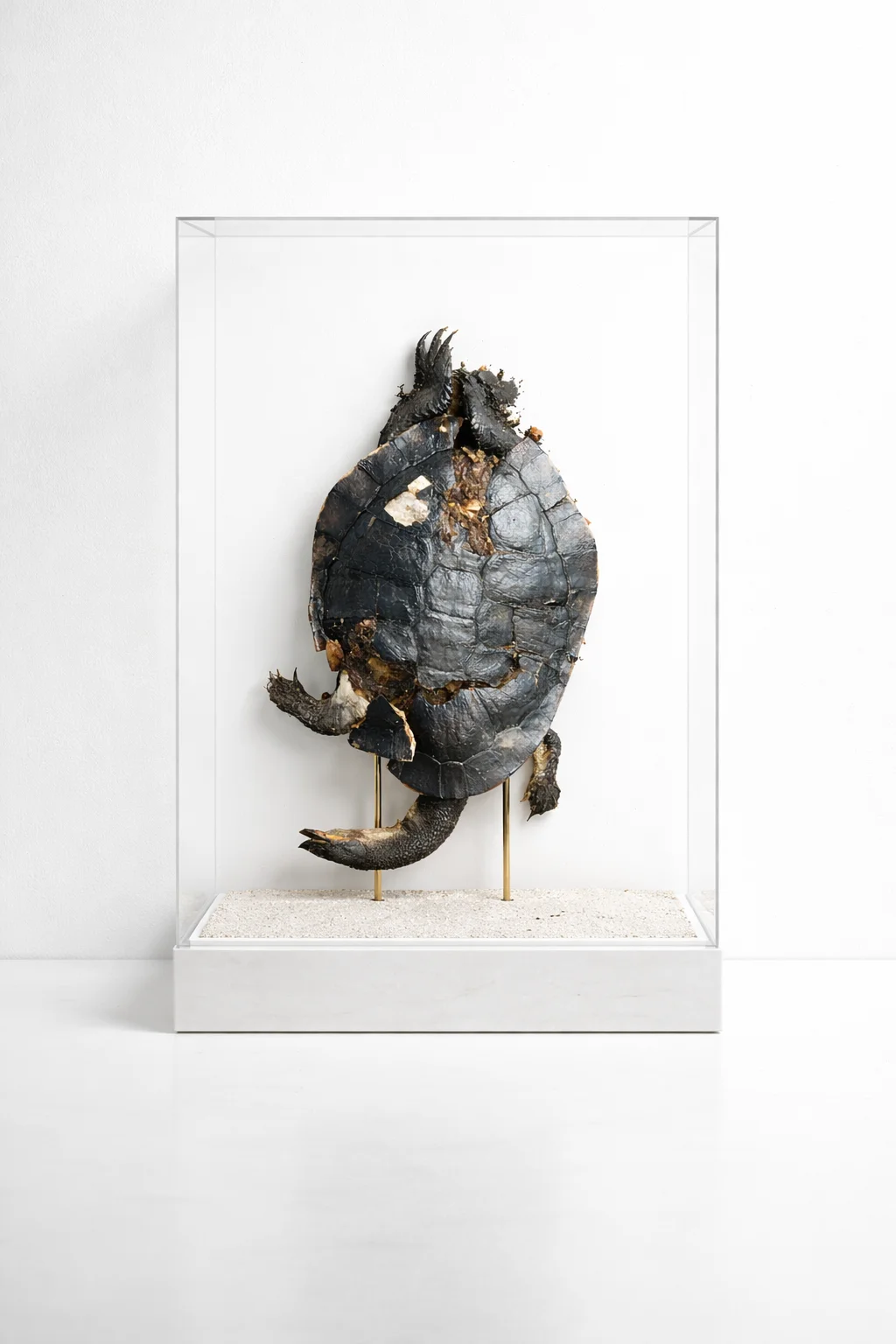
Turtle — Still Warm cabinet specimen

Fig 1.1 — Turtle. Documented in situ, digitally mounted.

Biological Specimen · Fig 1.1

Turtle

The turtle was found close to home, on a walk with my dog. Two rods now hold it upright, and I have not hidden them — they look like the culprit, as though the twist of the head were something display had done to the body. It isn't. Every angle here is the found shape, exactly; the rods impose nothing but height. What reads as the violence of mounting is in fact its opposite: fidelity.

A shell is already an archive. Built in layers, dark inside, it outlasts the animal that grew it. The turtle stands here as the cabinet's oldest storage medium, a few entries away from its newest.

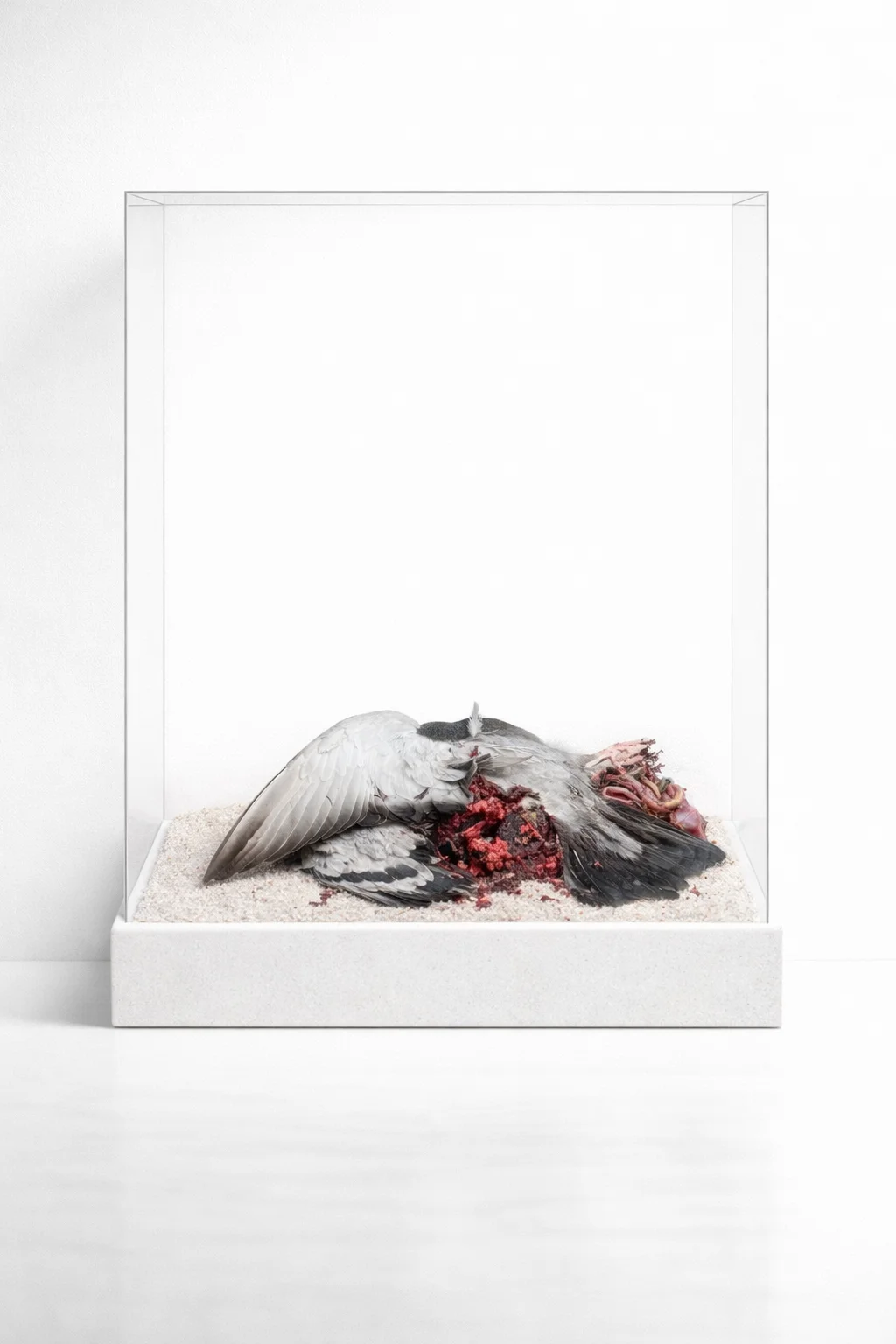
Bird — Still Warm cabinet specimen

Fig 1.2 — Bird. Documented in situ, digitally mounted.

Biological Specimen · Fig 1.2

Bird

This is the entry some visitors will not forgive, and it stays. Taxidermy promises wholeness: the specimen repaired, the death edited out. This bird arrives unedited. Its interior is visible because that is how it was found, and to restore it — digitally, at no cost, with no smell — would have been the easiest lie in the cabinet.

Every archive has moments like this. The corrupted file, the torn frame, the recording that captures what it was never meant to. The rupture is not a failure of preservation; it is preservation telling the truth about itself.

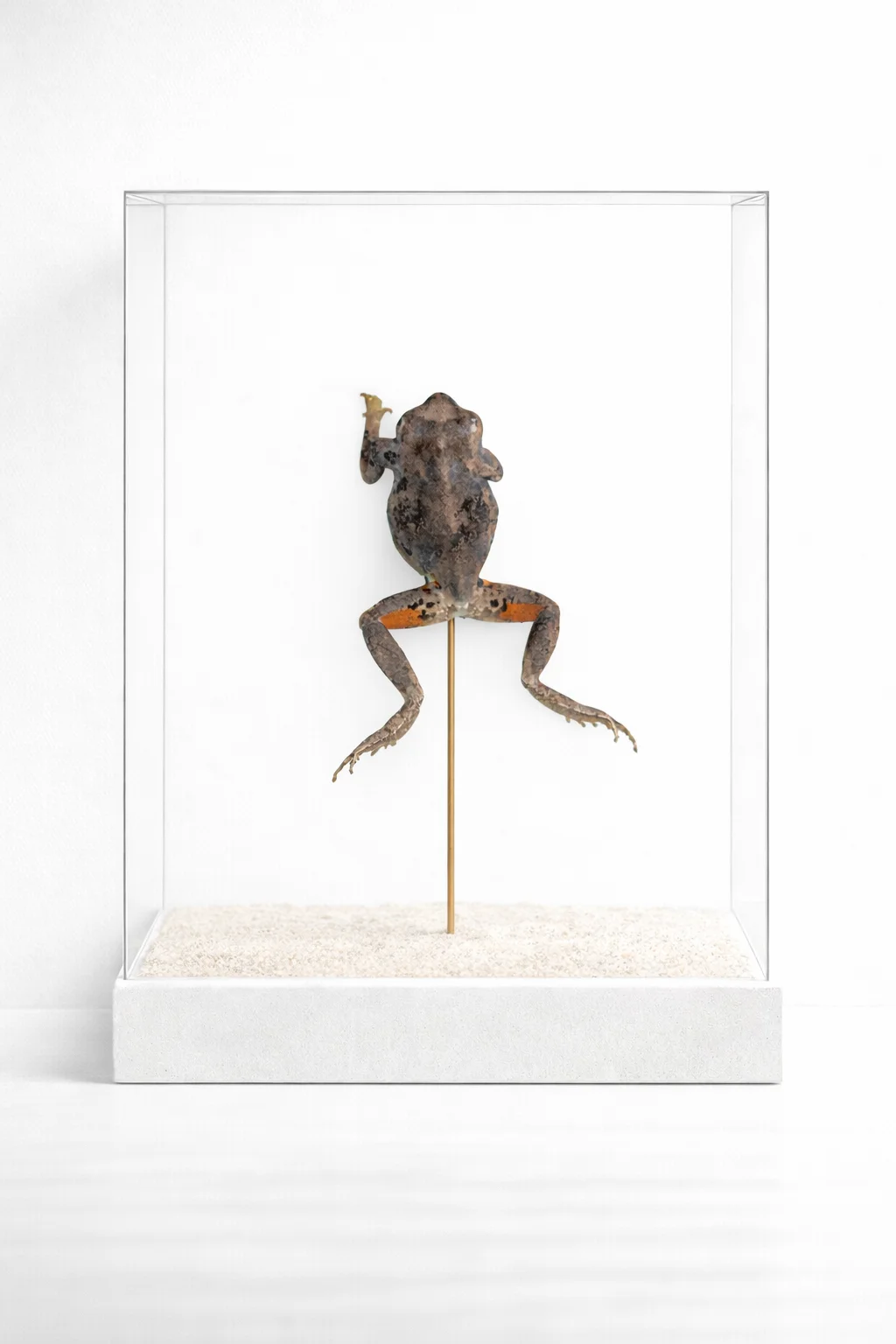
Frog — Still Warm cabinet specimen

Fig 1.3 — Frog. Documented in situ, digitally mounted.

Biological Specimen · Fig 1.3

Frog

Upright, squared to the glass, the frog holds the posture of a lesson. No animal has been made to stand for knowledge more often — dissected in classrooms, pithed in laboratories, drawn in cross-section for a century of textbooks. It lives between water and land, and science has never quite forgiven it the ambiguity.

Here it stands for the cost of looking. To know a body this way you must first stop it. A camera makes the same bargain — clarity in exchange for stillness — and I am not outside that bargain. I made this image.

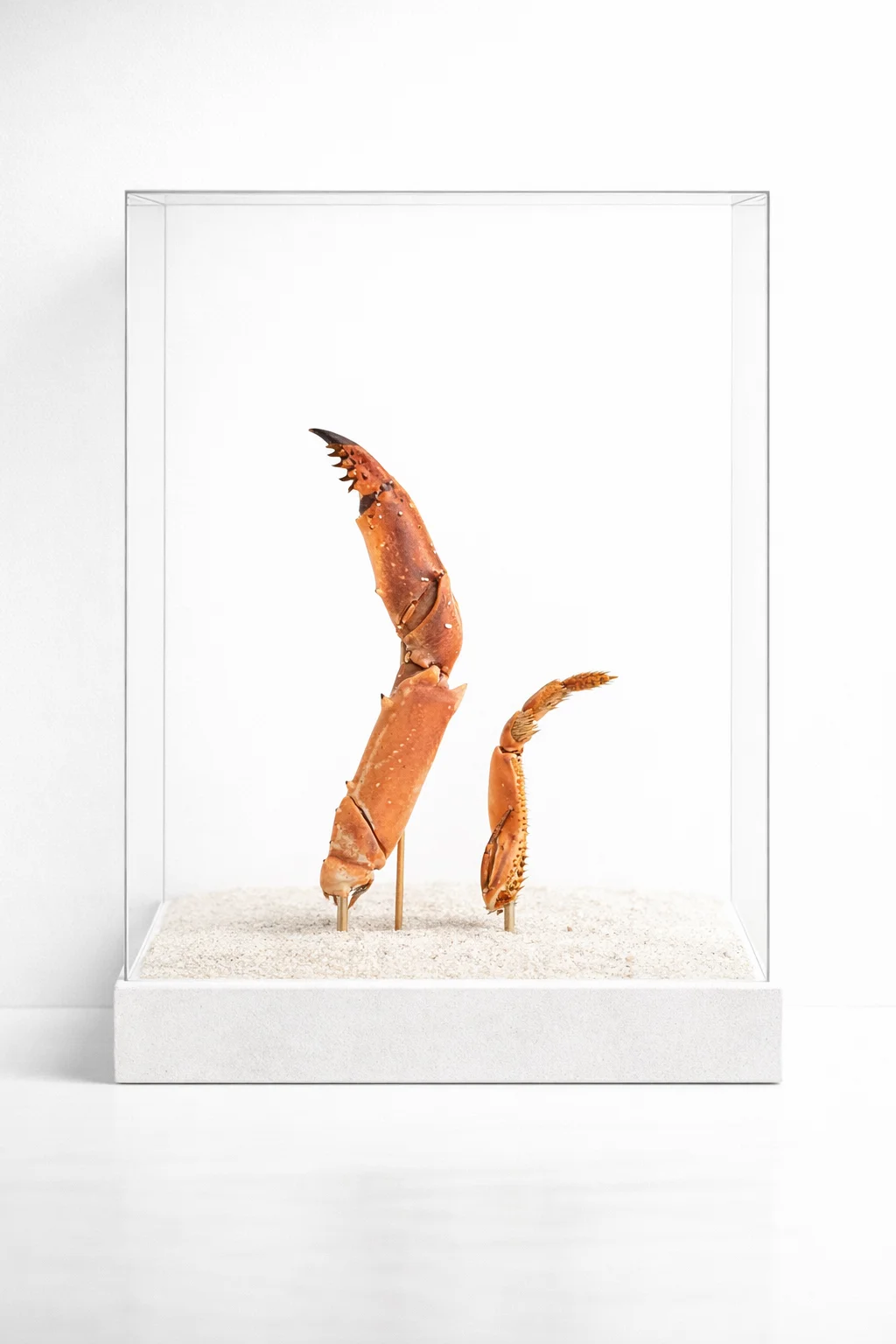
Crab Claws — Still Warm cabinet specimen

Fig 1.4 — Crab Claws. Documented in situ, digitally mounted.

Biological Specimen · Fig 1.4

Crab Claws

Two claws, unequal, without a crab. What is left is tooling: a heavy claw for crushing, a fine one for cutting, still legible as instruments long after the intention that moved them has gone.

Most of my equipment will end the same way — grips, clamps, mounts, the specialised parts outliving the working body that coordinated them. The claws sit in the cabinet as a quiet forecast: agency does not disappear, it disassembles.

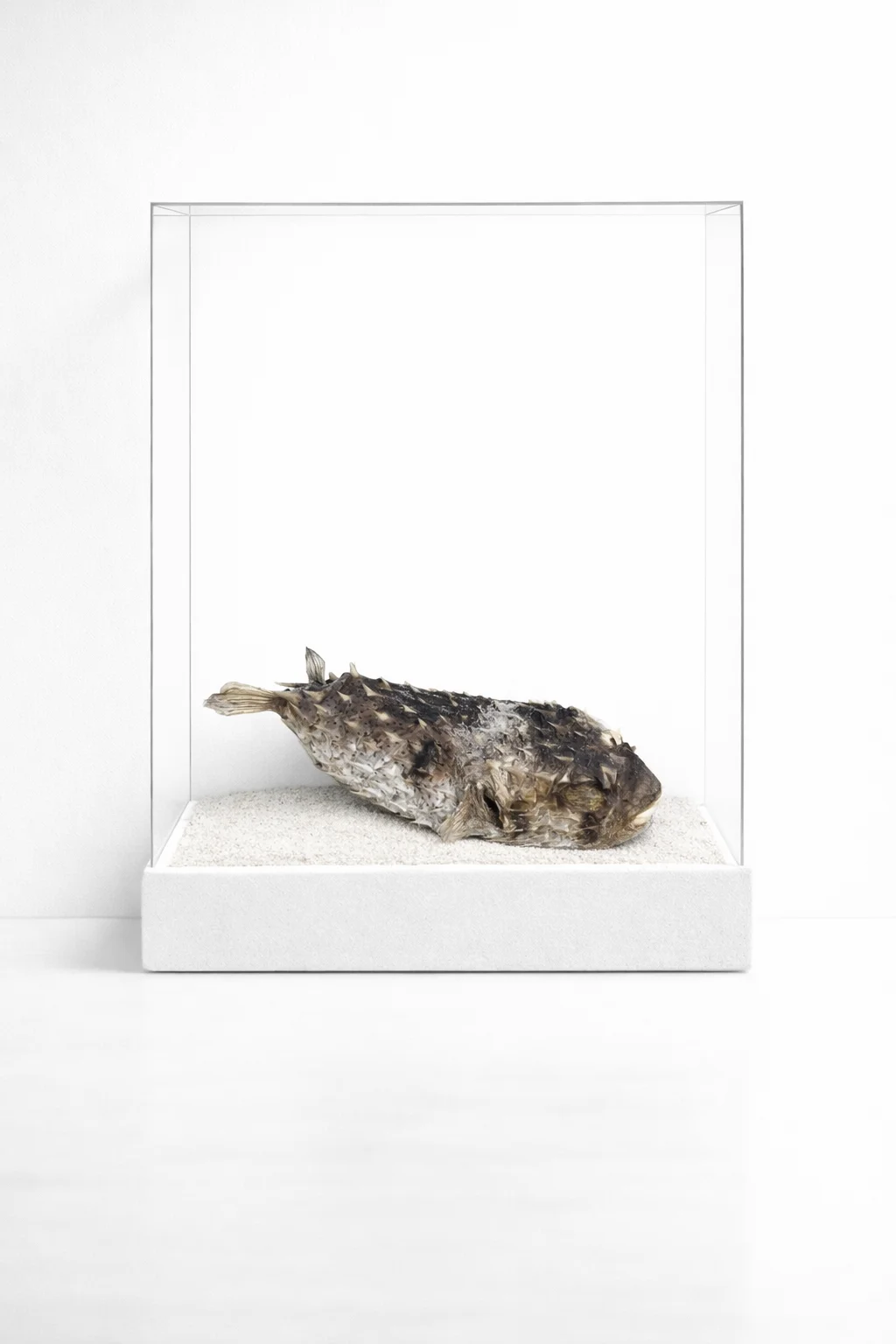
Pufferfish — Still Warm cabinet specimen

Fig 1.5 — Pufferfish. Documented in situ, digitally mounted.

Biological Specimen · Fig 1.5

Pufferfish

The pufferfish dried in a posture of alarm and kept it. Inflation is a signal meant to last seconds; desiccation has made it permanent. The body now holds a response with nothing left to respond to — a defence archived mid-gesture.

To preserve is always partly this: hardening something against a threat that has already passed.

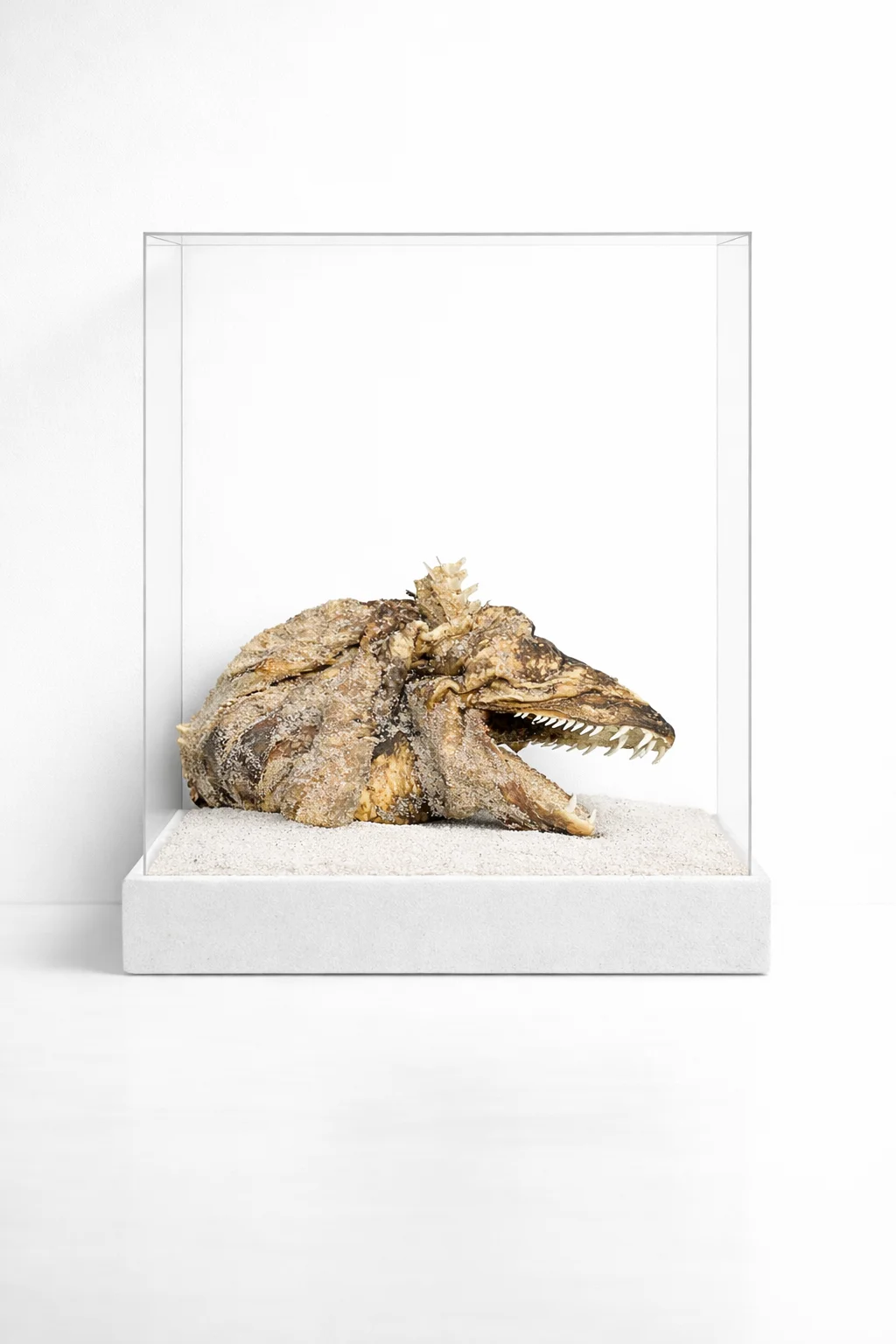
Fish Head — Still Warm cabinet specimen

Fig 1.6 — Fish Head. Documented in situ, digitally mounted.

Biological Specimen · Fig 1.6

Fish Head

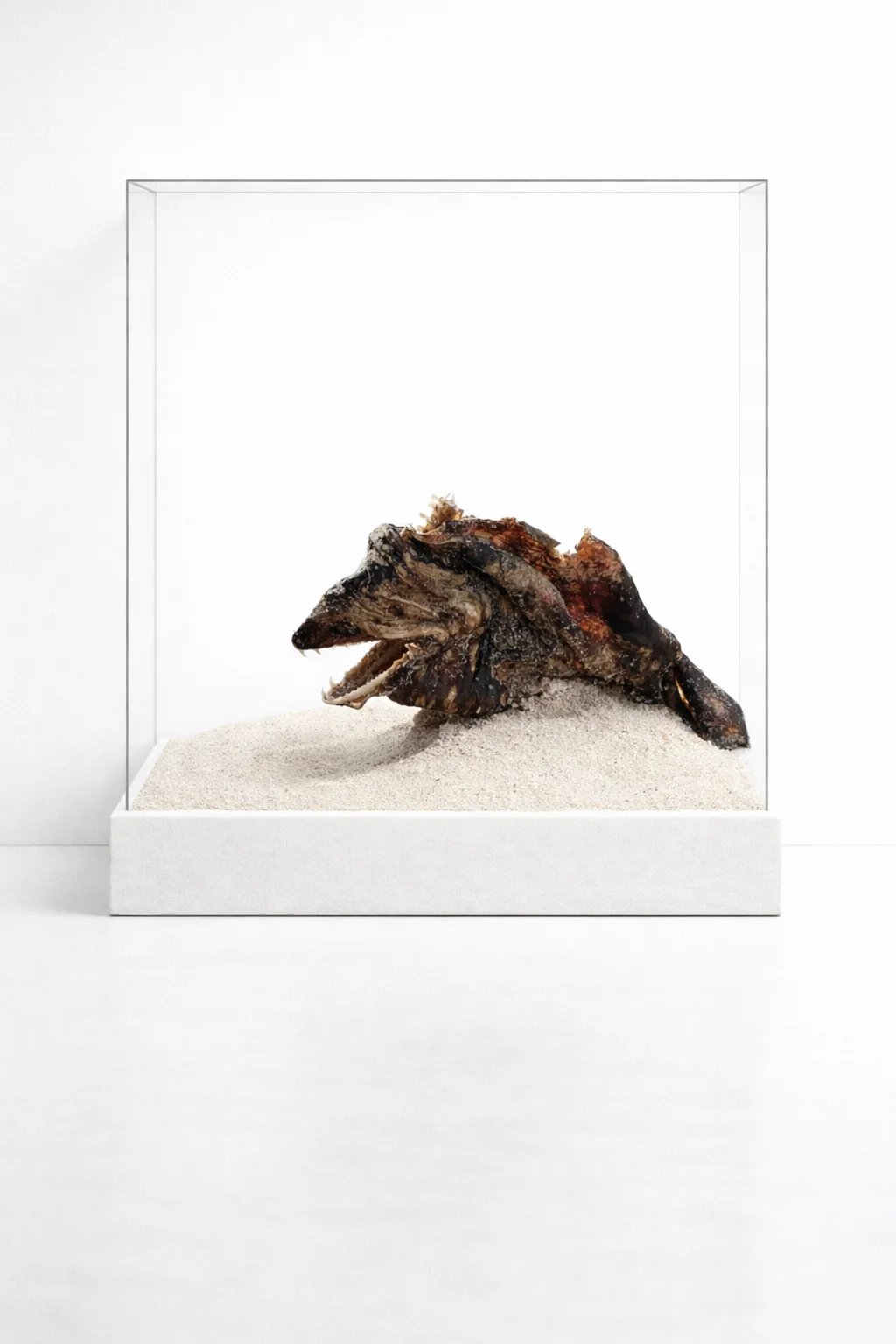
A head, and nothing after it. What was kept is the legible part — jaw, eye socket, teeth — and the rest is gone. This is how saving usually works, though archives rarely say so: selection is excision, and every collection is shadowed by what it declined to keep.

The fish head is the cabinet's honest fraction. A truncated image, a clipped recording, a body cropped to its most quotable feature.

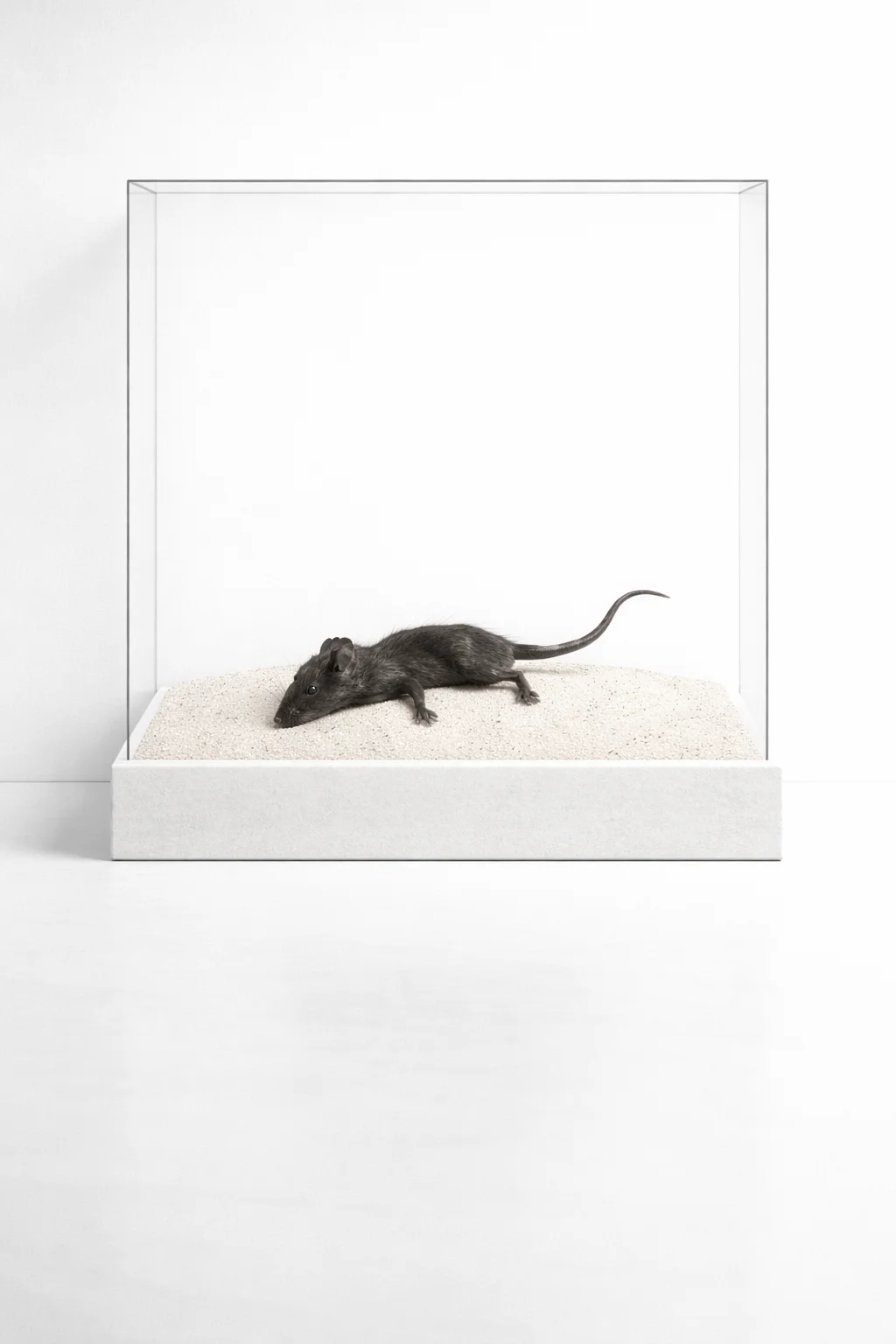
Tesla Mouse #4 — Still Warm cabinet specimen

Fig 1.7 — Tesla Mouse #4. Documented in situ, digitally mounted.

Biological Specimen · Fig 1.7

Tesla Mouse #4

Fourth of five neonates documented in situ on 21 December 2025, within the front storage compartment of a Tesla Model X 75D, Sydney. The siblings were found together in a delicate nest constructed within an insulated cavity of the vehicle — a space sealed, temperature-regulated, and entirely removed from the ecological systems that would have constituted a natural habitat. Each of the five occupied a distinct posture at the time of discovery, as though arrested mid-gesture. This specimen is presented in the posture of its finding: small, complete, and still. Whether these five constitute the first such litter to have been born and died within a Tesla is, at minimum, plausible.

This encounter was the founding moment of Still Warm. Animals had been documented throughout 2024 and 2025 as part of an extended photographic survey conducted during walks for The 8 Museum, but no prior encounter had made the purpose of that documentation fully legible. Five neonates, born and dead within the chassis of an electric vehicle, demanded something more than a photograph. They demanded a cabinet. Object Oriented Ontology holds that all objects carry equal weight: that a mouse found in a frunk, a turtle encountered on a road, a camera no longer in use, are each deserving of the same ethical attention and the same refusal of hierarchical ranking. Tesla Mouse #4 occupies last position in this catalogue not because it is least, but because it arrived last in understanding — the specimen that made the rest necessary.

I. Biological Specimens — Catalogue, continued

Documented and mounted; entries to follow. The cabinet remains open.

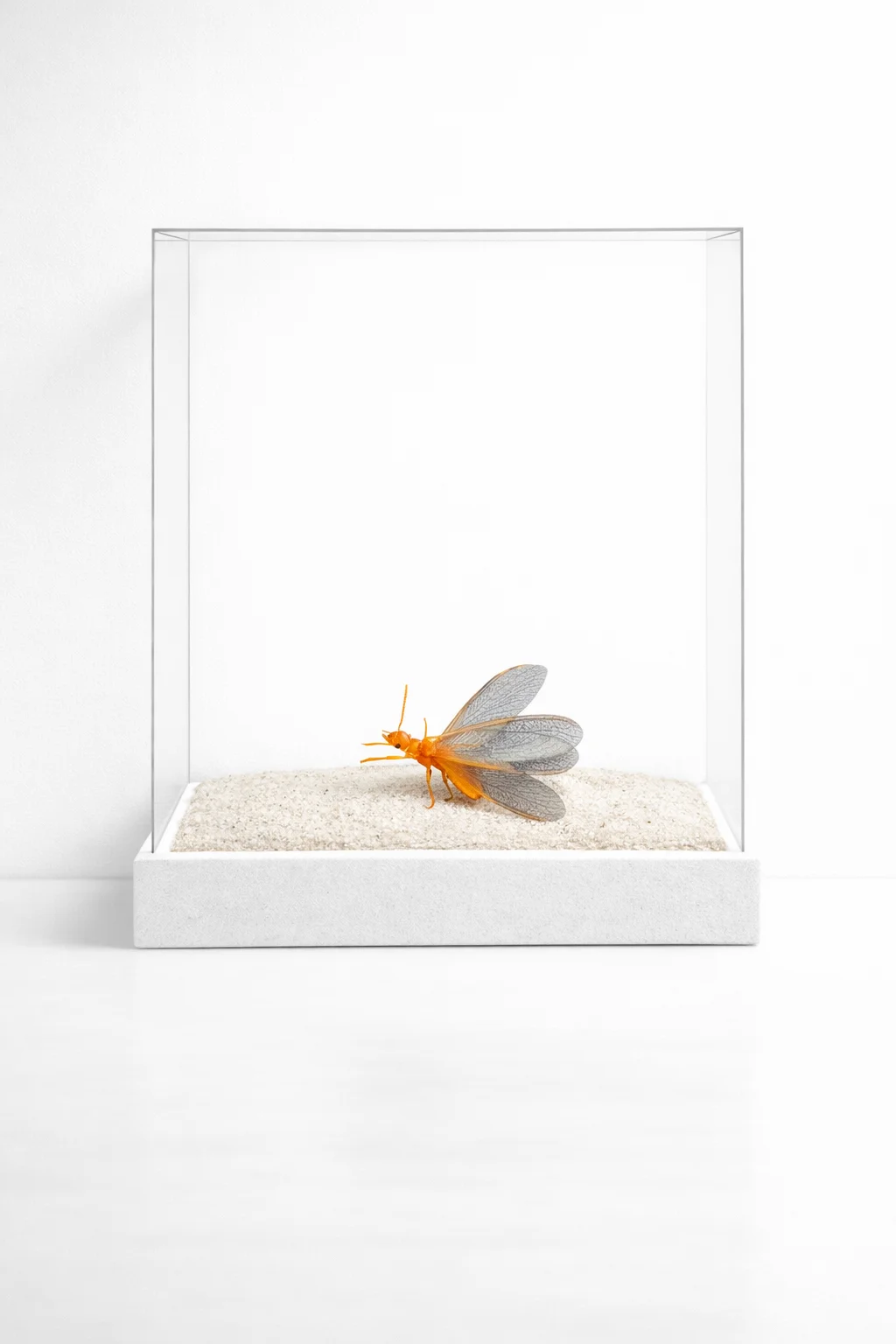
Spider Wasp — Still Warm

Spider Wasp

Biological Specimen · Fig 1.8

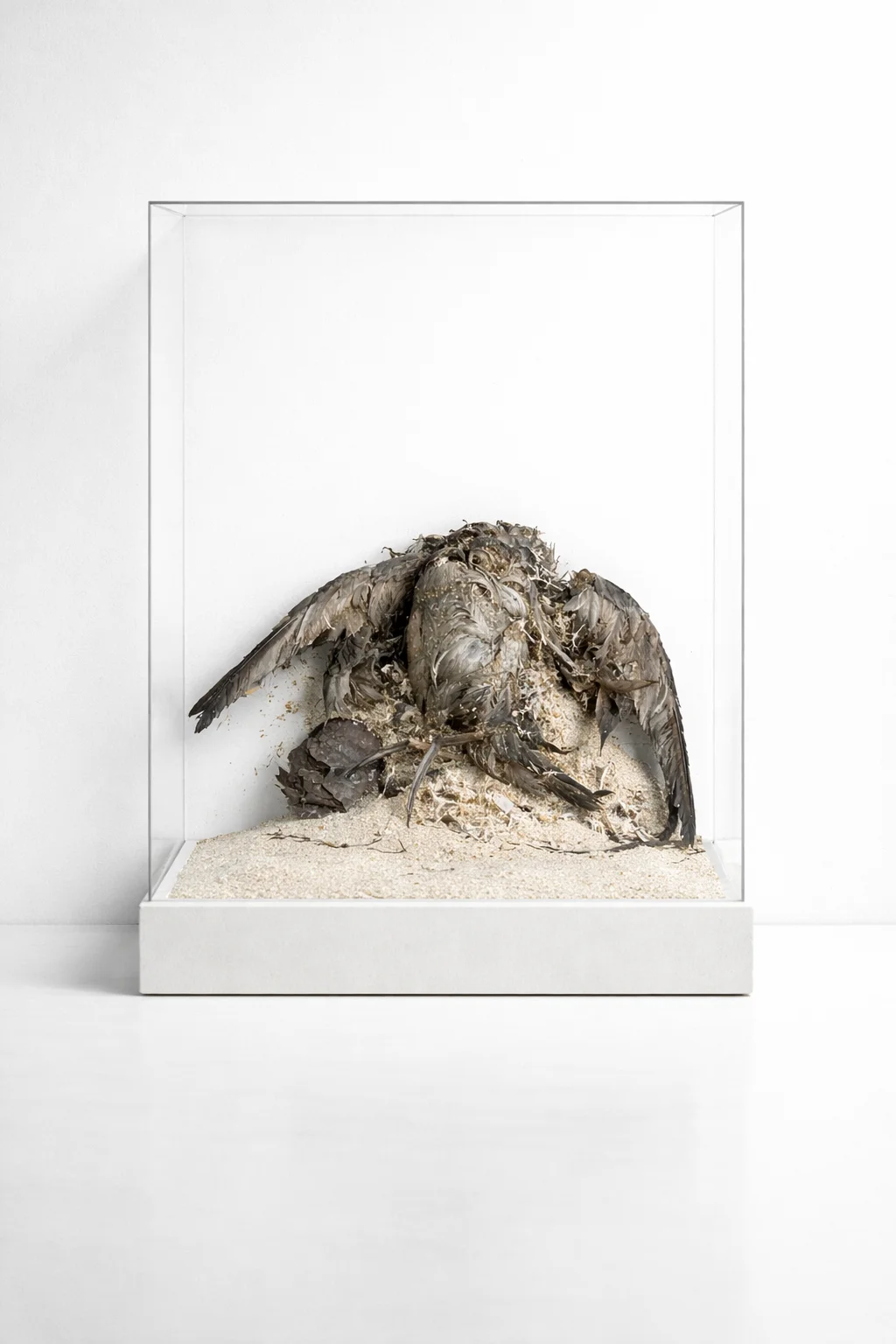
Sandy Bird — Still Warm

Sandy Bird

Biological Specimen · Fig 1.9

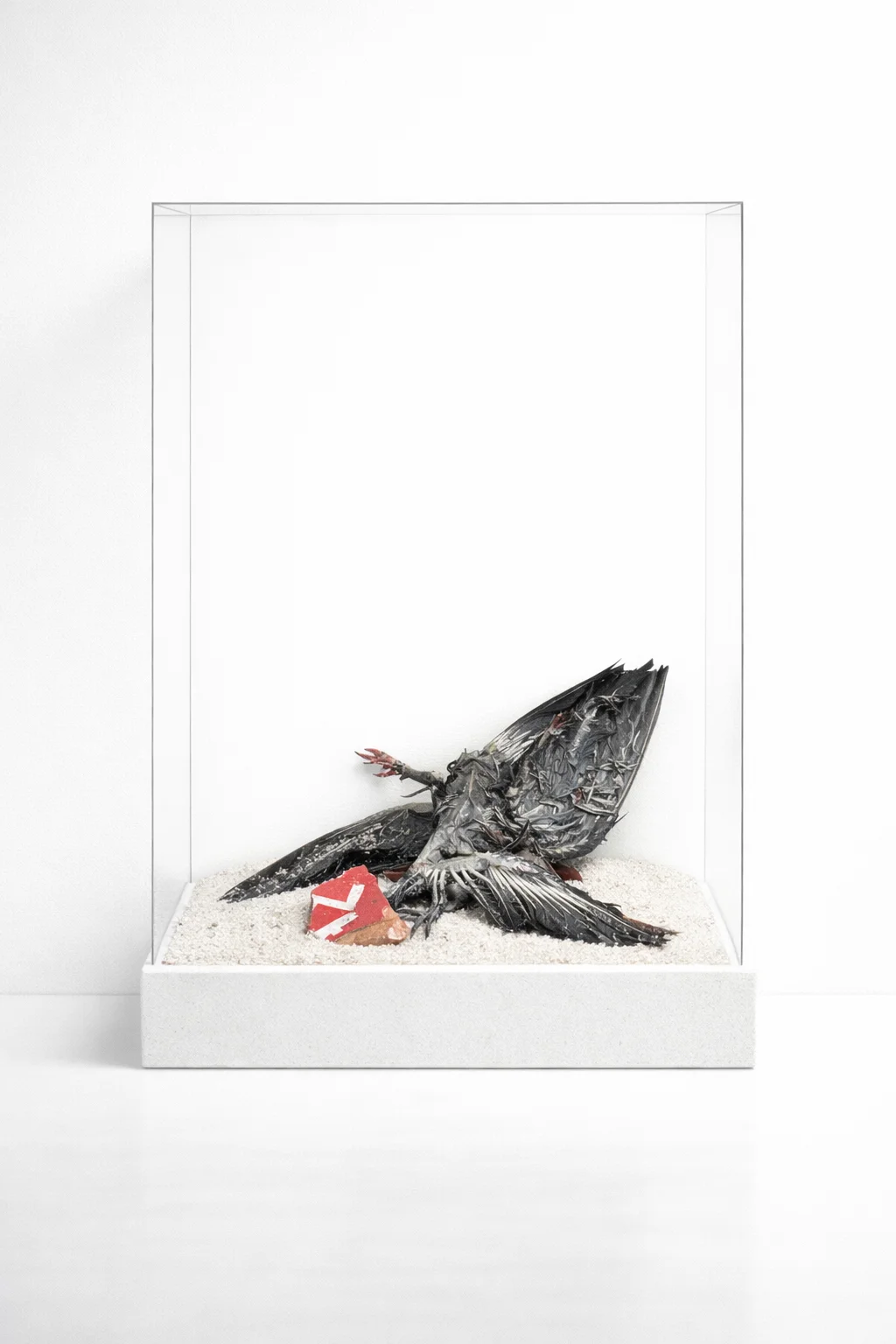
Pigeon with Red Tile Fragment — Still Warm

Pigeon with Red Tile Fragment

Biological Specimen · Fig 1.10

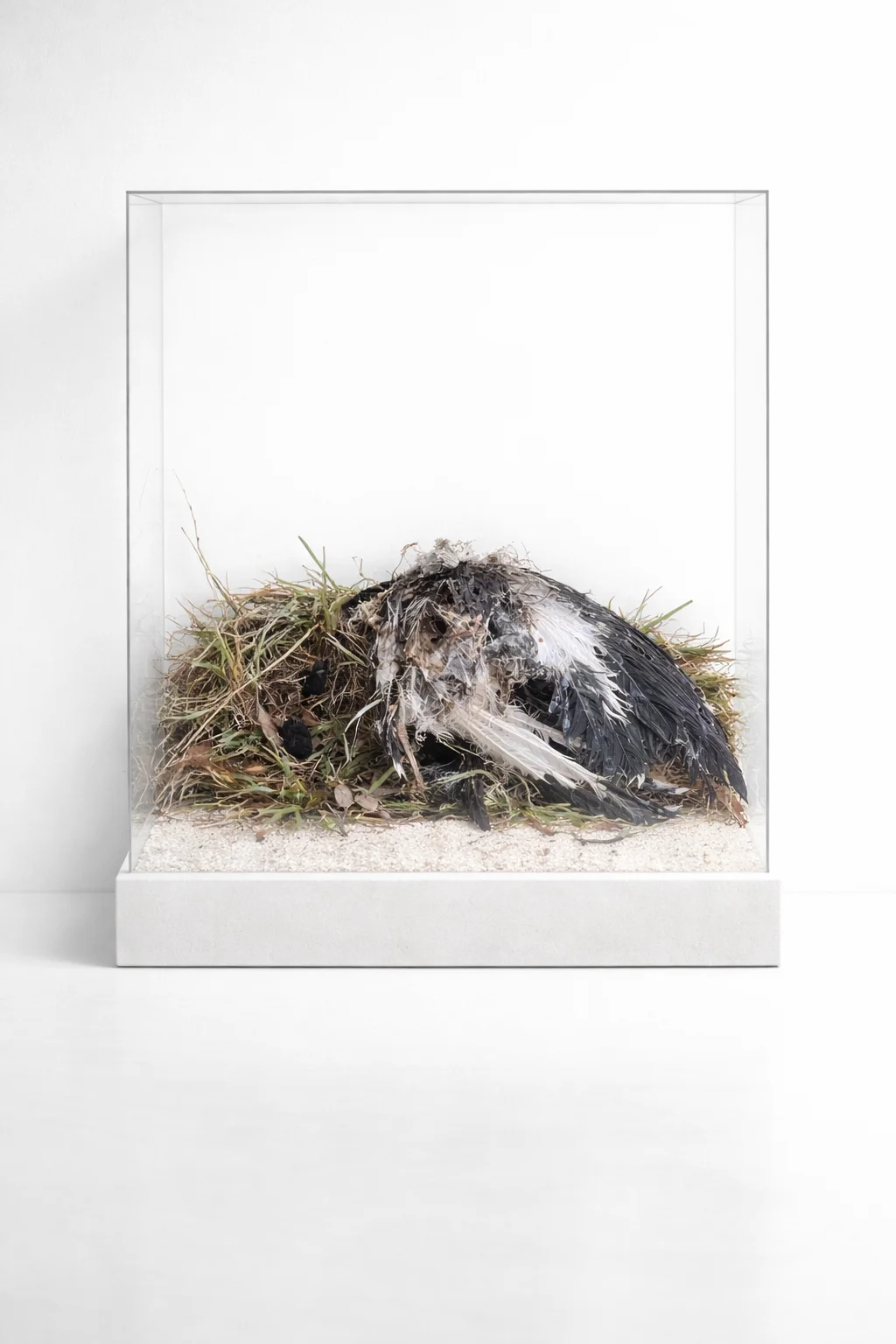
Nesting Bird — Still Warm

Nesting Bird

Biological Specimen · Fig 1.11

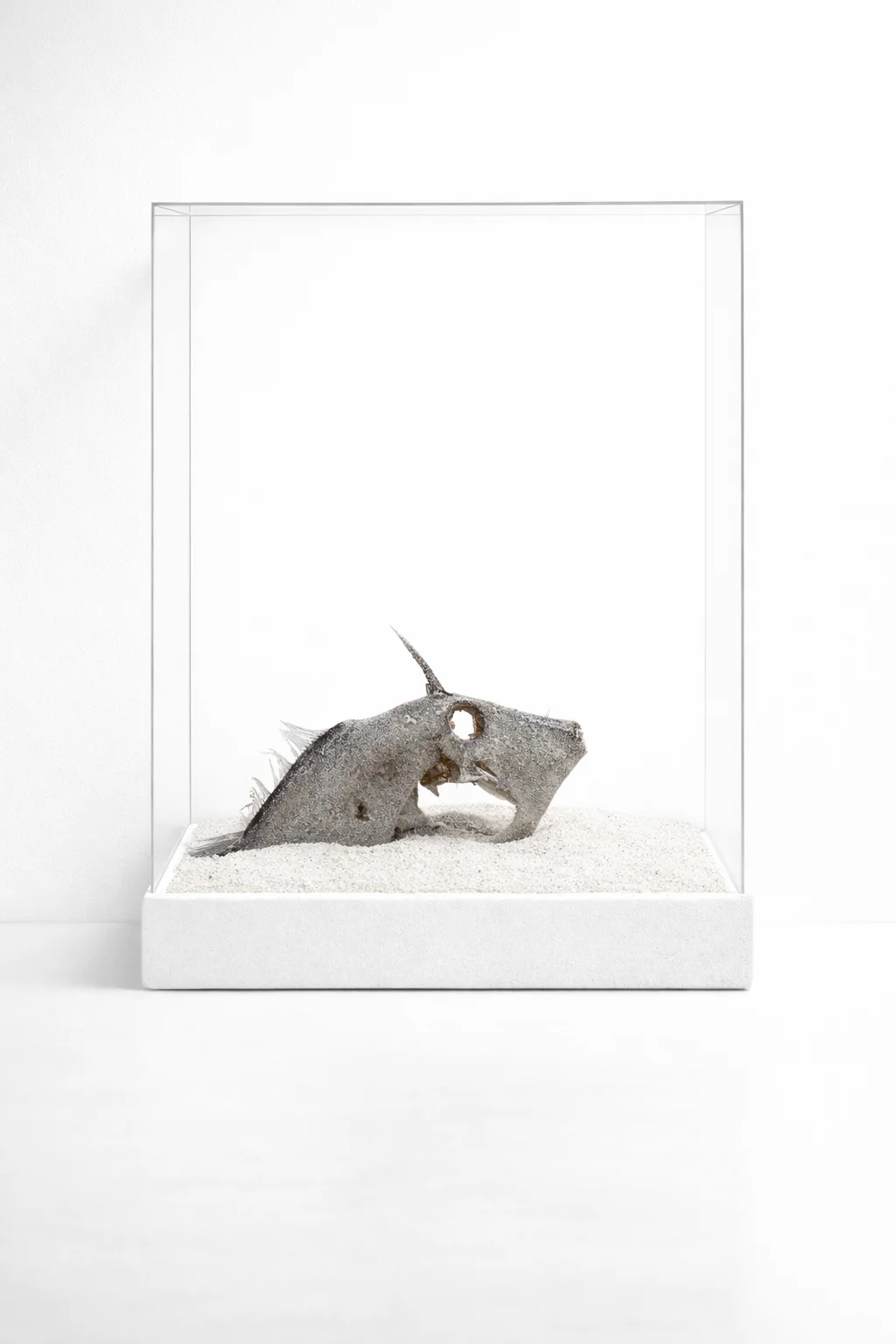
Spined Fish — Still Warm

Spined Fish

Biological Specimen · Fig 1.12

Stonefish — Still Warm

Stonefish

Biological Specimen · Fig 1.13

II. Media Artefacts — Catalogue Raisonné

The technical half of the cabinet holds equipment in early afterlife: recently obsolete, physically intact, still carrying latent archives. Nothing here is old enough to be historical or current enough to be used. Like the animals across the aisle, these objects were caught close to their moment of cessation — still warm.

CompactFlash Cards — Still Warm media artefact

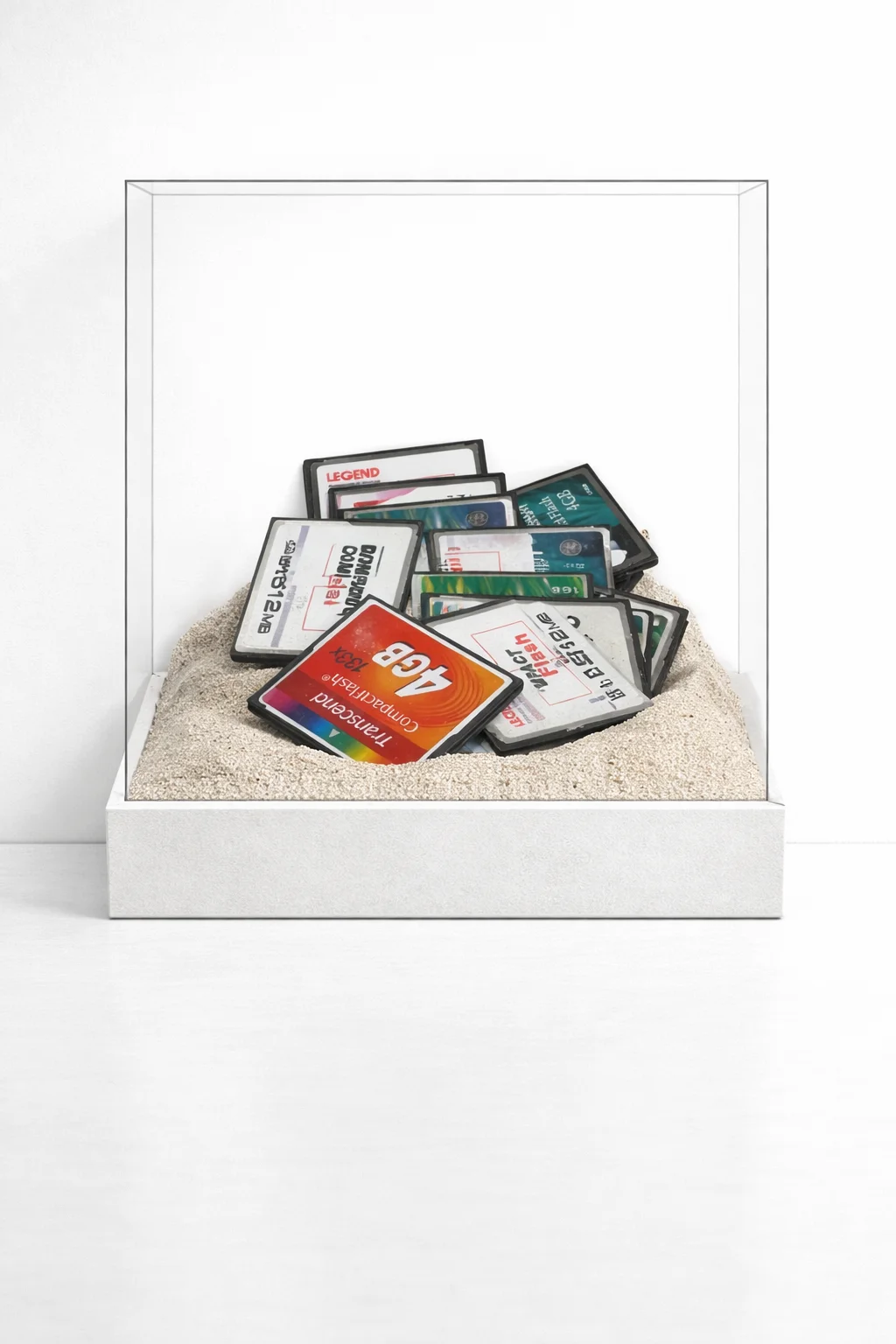
Fig 2.1 — CompactFlash Cards. Digitally mounted.

Media Artefact · Fig 2.1

CompactFlash Cards

For years these cards were the most trusted objects I owned. They were carried, swapped, filled, erased and refilled daily; every image I made passed through them, and I never once looked at them. That is what working infrastructure is — invisible until it stops.

They are unreadable now without interfaces I no longer keep. Whatever survives on them survives the way fossils do: materially present, informationally sealed, waiting on an act of recovery that will probably never come.

Cameras (DSLR and Underwater Compact) — Still Warm media artefact

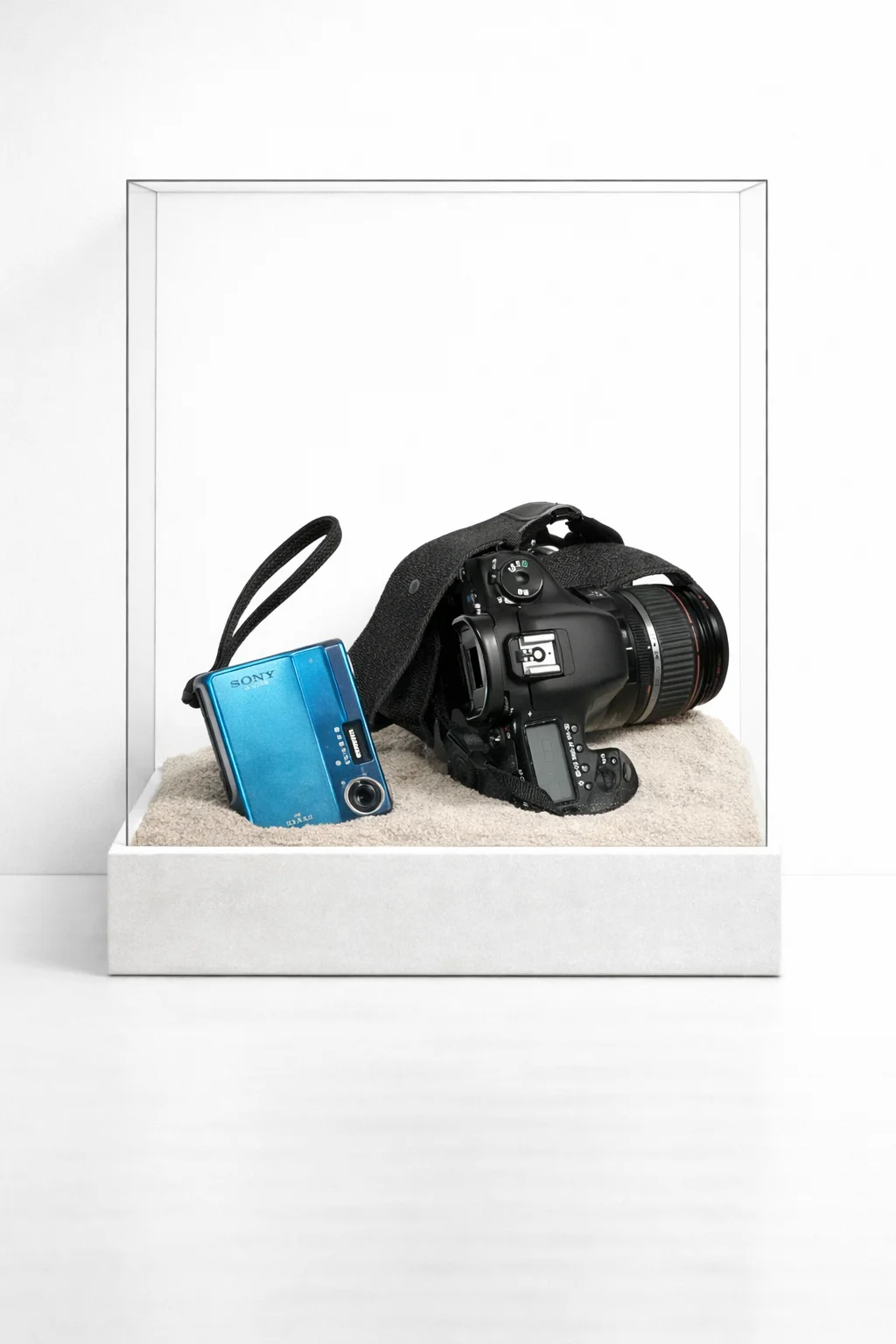
Fig 2.2 — Cameras (DSLR and Underwater Compact). Digitally mounted.

Media Artefact · Fig 2.2

Cameras

DSLR and Underwater Compact

A working camera and a playing camera. The DSLR was a professional prosthesis — light, time and framing negotiated through it deliberately, for years. The underwater compact was for holidays; it recorded life without ever being asked to make anything of it.

Both outlived their contexts. The work ended, the holidays passed, and the devices remain, along with files no one has opened since. This is what personal history looks like once media is finished with it: not narrative, just storage.

GoPro (Action Camera in Housing) — Still Warm media artefact

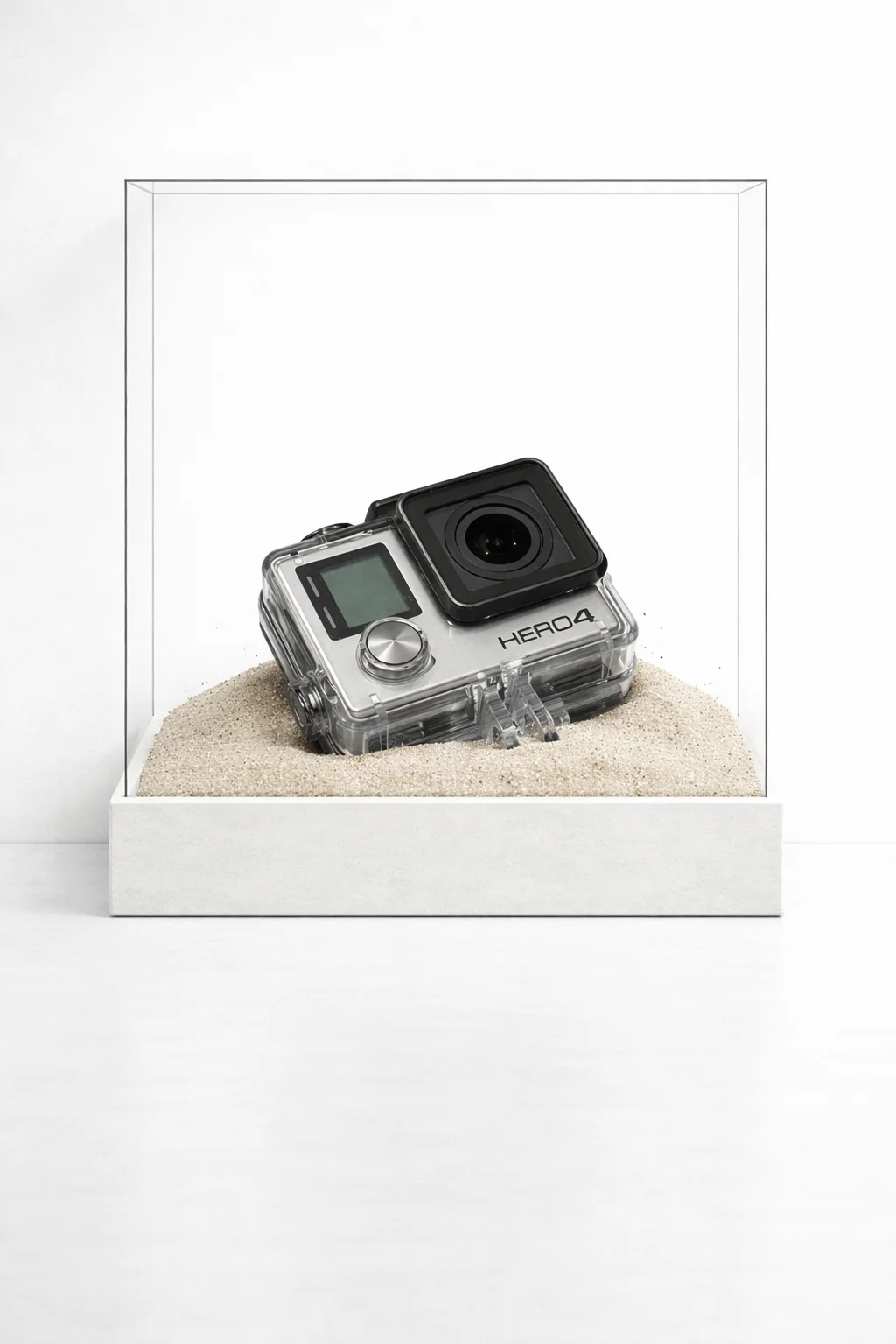
Fig 2.3 — GoPro (Action Camera in Housing). Digitally mounted.

Media Artefact · Fig 2.3

GoPro

Action Camera in Housing

Sealed in its housing, the GoPro was built to see where a body cannot stay. I used it in medical and infrastructural settings where recording had to happen without a hand on the device or an eye behind it — and where what could be seen, and who, was never a neutral question.

It is the cabinet's most modern kind of witness: perception without presence. Switched on, it produces an archive no one watches being made.

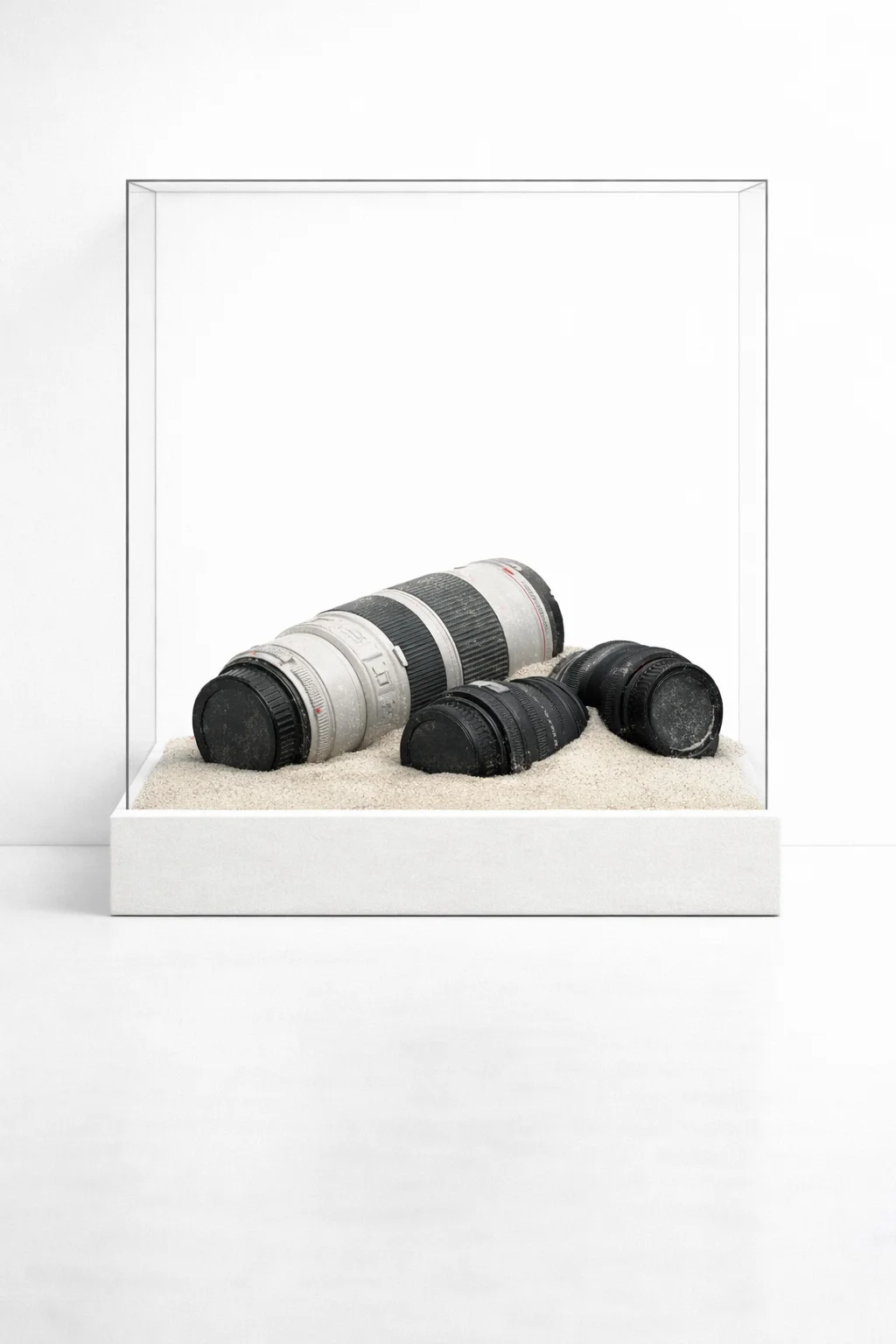
Camera Lenses (Optical Assemblage) — Still Warm media artefact

Fig 2.4 — Camera Lenses (Optical Assemblage). Digitally mounted.

Media Artefact · Fig 2.4

Camera Lenses

Optical Assemblage

These lenses made my most technically accomplished images, and carrying them wrecked me — their weight, over enough years, exceeded what my body could sustain. They were also the most cared-for objects I owned: guarded against dust, moisture and abrasion, handled with something close to fear.

So laying them in sand is deliberately transgressive — grit against coated glass, the one substance a photographer is trained to dread. That regime of care is over. What remains is glass that once organised light, resting in the material it was always protected from.

All biological specimens are presented as photographic records only. Encounters documented 2024–2026; cabinet assembled 2026.

No animals were collected, removed, or physically preserved in the making of this work.

Berry Sullivan — 2026

About the Work

Still Warm continues the method of The 8 Museum: photographic collection rather than physical extraction, attention directed at what is encountered and recorded without intervention. The image becomes the primary archival unit, allowing patterns, repetitions, and resonances to emerge across time without disturbing the material conditions of the objects themselves.

The biological specimens in Still Warm are therefore not preserved bodies, but recorded bodies. Their mounting occurs digitally, through framing, sequencing, and proximity within the cabinet interface. This shift foregrounds photography itself as a media-archaeological process: an act of capture that transforms ephemeral encounters into durable traces. As with technical media, this transformation is not neutral. Selection, framing, and exclusion shape what becomes visible and what remains absent.

The cabinet format allows resonance without equation. Biological bodies and media devices are not claimed to be the same kind of thing; they are placed near one another and left to correspond. Whatever similarity emerges does so through arrangement, not metaphor.

Care remains a central concern. Although no biological material is physically handled, the images themselves are the result of attentiveness and restraint. Choosing not to extract or possess becomes an ethical stance, acknowledging that documentation can preserve without ownership. This refusal mirrors shifts in contemporary archival practice that favour access, trace, and relation over accumulation.

Ultimately, Still Warm situates media archaeology in the present tense. It attends to systems that have only just fallen out of use, bodies only recently lost, and technologies whose afterlives are still unfolding. By constructing a cabinet through photographic evidence and digital mounting, the work reframes the cabinet of curiosities as a site for non-extractive knowledge production — one that holds space for latency, legality, and ethical responsibility alongside wonder and inquiry.

Still Warm is part of Berry Sullivan's broader practice in speculative museology and durational archival work. berrysullivan.com